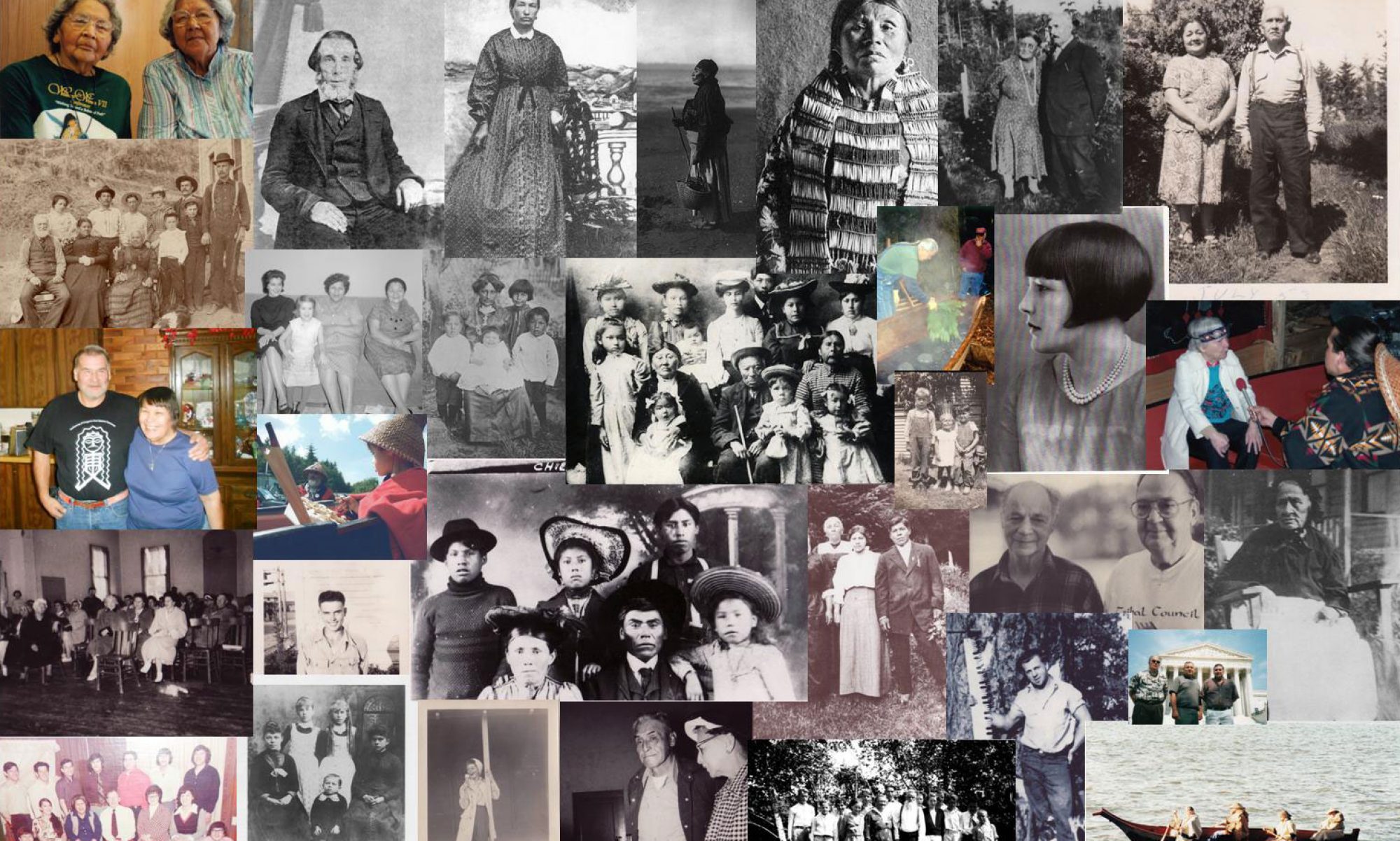
A Chinook Nation COLLABORATION


This project represents a collaboration between the Chinook Indian Nation and the Portland State University History Department over more than a decade. In the pages of this website you will find short narratives, images, primary documents, video interviews, and recorded public talks that collectively shed light on the history of Chinookan people and the Chinook Indian Nation. Dr. Katrine Barber, Dr. Donna Sinclair, and Dr. Candice Goucher worked with students, community and academic partners, and members of the Chinook Indian Nation, to to explore questions of historical interpretation and build this site.
Timeline →
featured
stories
The purpose of the web exhibit is to provide accurate and accessible humanities content to students and the public to facilitate understanding of regional Native communities through Native and non-Native epistemologies. The website presents a digital corpora of historical, archaeological, and audiovisual texts alongside the tools and methods for analyzing them. Short narratives guide site exploration, connecting past and present, but are not conclusive. Rather, searchable primary documents, images, video, maps, and contemporary interviews create a layered knowledge space for users to construct and enrich existing narratives for themselves.
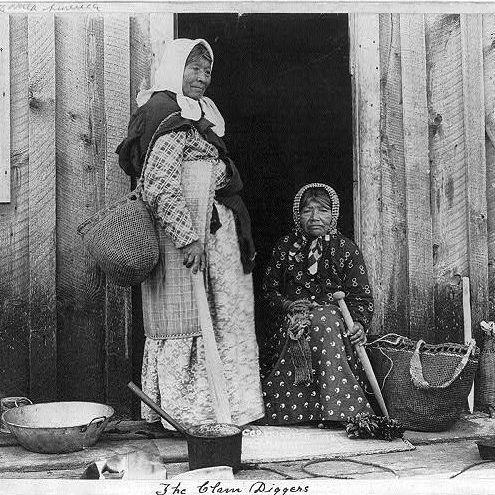
Locating a Village
Cathlapotle was a large, influential community central to native trade networks
READ →

American Expansion
Re-settling migrants were squatters on lands to which their government had no title
READ →
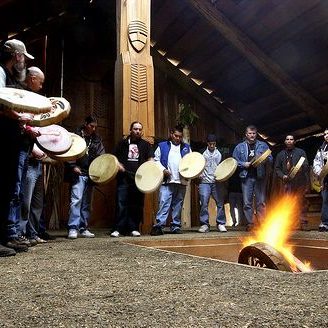
Cathlapotle Plankhouse
The contemporary plankhouse stands as a reminder of the thousands of people who lived at the Cathlapotle Village
READ →

CHINOOK TIMELINE
The Lower Columbia Chinook Timeline presents events significant to Chinook history and cultural change, with emphasis on the people and incidents that have provided written documentation of the past and affected tribal status.
A Resource Guide of Documents, Oral Testimony, and Videos
Through oral testimonies such as court proceedings and the compilation of tribal rolls like the McChesney rolls, Chinook voices interact with the written historical record. These documented voices exist as evidence that the Chinook community, despite the devastations of disease and land loss, persist as a close-knit and well-rooted people.